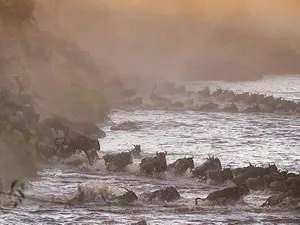
East Africa, with its stunning landscapes, diverse wildlife, and vibrant cultures, has long captured the imagination of travellers and explorers alike. One of the most captivating natural spectacles in the region is the Great Migration, a phenomenon that draws tourists from around the world to witness the awe-inspiring movement of millions of animals across the savannas. This annual event, which involves wildebeests, zebras, and other wildlife, presents a unique opportunity for travellers to immerse themselves in the raw beauty of nature and gain a deeper understanding of the intricate ecosystems that sustain life in this part of the world.
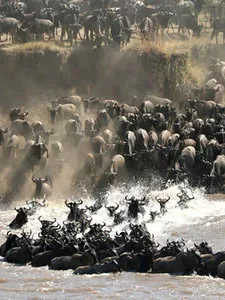
The Great Migration, often described as one of the Seven Natural Wonders of Africa, is a cyclical movement of animals in search of food, water, and better grazing lands. Spanning the Serengeti National Park in Tanzania and the Masai Mara National Reserve in Kenya, this breathtaking journey showcases the resilience and adaptability of East Africa’s wildlife. Witnessing this massive movement of animals is a privilege that offers tourists a front-row seat to nature’s raw drama and includes dramatic river crossings, predator-prey interactions, and the birth of new life on the plains.
Knowledgeable guides and experienced trackers help visitors navigate the vast savannas and position themselves for the best vantage points to observe the migration. This provides an unparalleled opportunity to witness the dynamics between predator and prey as lions, cheetahs, and crocodiles converge for the annual feast
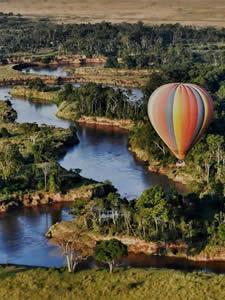
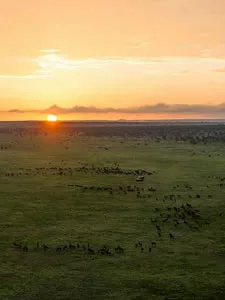
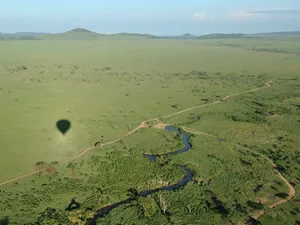
You can always opt for a hot air balloon safari for a more surreal experience, which allows you to soar over the vast plains during sunrise. This aerial view provides a panoramic spectacle of the migrating herds as they traverse the landscape below. The sheer scale of the migration is even more evident from above, as the animals create a moving tapestry across the land.
The migration however is not just about the animals; it’s also an opportunity to engage with the rich cultures of the East African tribes that call these vast areas home. Visitors can interact with Maasai communities, learning about their traditions, customs, and way of life. This cultural exchange adds depth to the tourist experience, fostering a greater appreciation for the symbiotic relationship between humans and nature in the region.
Beyond the visual spectacle, migration tourism plays a vital role in supporting conservation efforts. Many lodges and tour operators are actively involved in wildlife preservation and community development. Visitors can participate in conservation-focused activities, such as guided nature walks and talks, to gain insight into the challenges facing the region’s ecosystems and the steps being taken to protect them.
East Africa promises a journey of a lifetime, where the remarkable interplay between nature and wildlife unfolds before your eyes. The Great Migration is not just a spectacle; it’s a testament to the beauty and resilience of the natural world. As you embark on safaris, engage with local communities, and contribute to conservation efforts, they become part of a larger narrative that seeks to protect and celebrate the treasures of this remarkable region. So, whether you’re an avid nature lover, a wildlife enthusiast, or simply someone seeking an unforgettable adventure, East Africa’s migration holds the promise of a truly transformative experience.